Preparing Medical Devices for Trade Show Demonstrations
By Sarah Thompson · Published · 5 minutes read
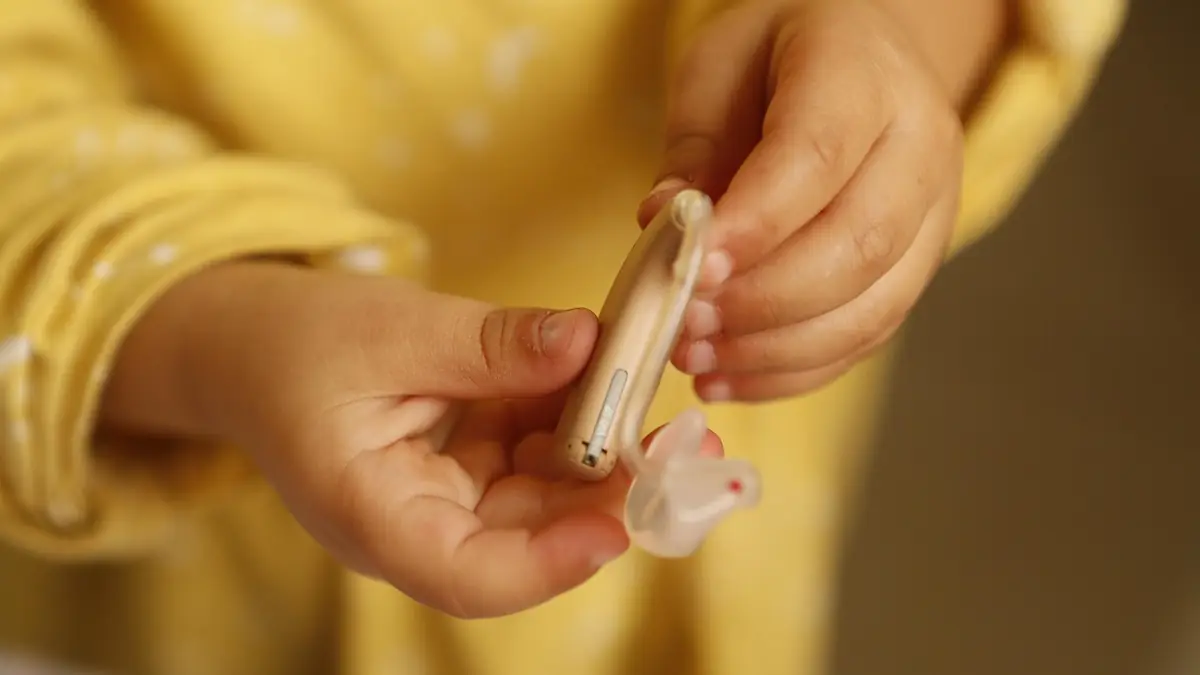
A device that works perfectly in the lab can still fail on a show floor: power sags, lighting washes out displays, and a queue of distributors wants to touch the housing before your engineer has finished the safety briefing. Preparation is mostly logistics and rehearsal, not marketing.
This guide covers what to settle four to six weeks out, what to pack, how to run a compliant hands-on demo, and how to tell whether the demonstration actually did its job. Treat the numbers as planning ranges and confirm specifics with your regulatory and operations teams.
Start With the Demo Format, Not the Booth
Decide what a visitor will actually experience before you book floor space or freight. A 3-minute guided walkthrough suits high-traffic halls; a 10-minute hands-on session works better in a quieter specialist event. Write the script, time it out loud, and cut anything that requires a visitor to read dense text while standing.
Match the format to the audience mix you expect. Distributors want throughput and margin details; clinicians want workflow fit; procurement wants service and lead times. A single demo rarely serves all three, so plan a short core pitch of roughly 60 to 90 seconds, then branch into deeper modules only when the visitor asks.
Count the people needed to run it. One presenter plus one technical backup is the practical minimum for a live device; add a third person if you expect more than about 15 demos per hour or need someone to manage the queue and capture leads without interrupting the presenter.
- Core pitch: 60–90 seconds, memorised, no slides
- Hands-on session: 3–10 minutes depending on show type
- Staffing: 1 presenter + 1 technical backup minimum
- Queue management: capture contact details before the demo, not after
Logistics: Power, Space, and Freight
Booth power is the most common failure point. Ask the organiser for the actual amperage and socket type at your stand, then add headroom: devices with motors, heating elements, or compressors can draw two to three times their rated steady current at startup. Bring your own surge protection and a spare set of power leads rated for the local voltage.
Measure your demo footprint in metres, including the presenter's position and the visitor's standing space. A device on a 600 mm deep counter leaves no room for a hands-on session; plan for at least 1.5 metres of clear space in front of any interactive station. Remember that aisle width rules are enforced, and obstruction fines are common.
Freight timing matters more for medical equipment than for banners. Book device shipping to arrive one to two days before build-up, carry critical accessories and calibration tools in hand luggage, and photograph every crate before it leaves your facility. Keep a packing list with serial numbers so customs and onsite security checks move quickly.
- Confirm voltage, socket type, and amperage in writing
- Plan 1.5 m of clear space per interactive station
- Ship devices 1–2 days before build-up; hand-carry calibration tools
- Photograph crates and log serial numbers
Compliance and Cleaning Between Visitors
Demonstration status changes the regulatory picture. A non-functional display unit shown behind glass is treated very differently from a device a visitor can touch and operate. Keep a clear label on every unit stating whether it is a working demonstration, a prototype, or a reference sample, and brief staff on what they may and may not claim about performance or approval status.
If visitors will handle the device, build a cleaning routine into the demo loop rather than leaving it to chance. Wipes, gloves, and a small waste bin should sit within arm's reach of the presenter. For anything that contacts skin or enters a body cavity, use a dedicated non-clinical demonstrator or a clearly marked training unit, never a product intended for sale.
Documentation should travel with the device: instructions for use in the show language, a one-page specification sheet, and a contact card. Keep original labels intact and store regulatory paperwork in a single folder the booth lead controls, so a spot check does not turn into a search through luggage.
- Label every unit as demonstration, prototype, or reference sample
- Place wipes and gloves within reach of the presenter
- Use dedicated training units for any skin-contact demo
- Keep IFU, spec sheet, and declarations in one controlled folder
| Show type | Demo length | Staff per station | Units to ship | Setup time |
|---|---|---|---|---|
| Large horizontal trade fair | 3–5 min | 2–3 | 2 working + 1 display | 4–6 hours |
| Specialist clinical congress | 8–12 min | 2 | 1 working + 1 display | 2–3 hours |
| Regional distributor event | 15–20 min | 1–2 | 1 working | 1–2 hours |
| Tabletop or pavilion stand | 2–3 min | 1 | 1 working | Under 1 hour |
| Live workshop session | 20–30 min | 2–3 | 2 working + consumables | 3–4 hours |
Rehearse the Demo and the Failure Cases
Run the full demo at least five times before travel, including setup and teardown. Time it, and note where presenters drift into feature lists. Most visitors decide within the first 30 seconds whether to stay, so the opening line should state the clinical or operational problem the device solves, not the model number.
Rehearse failure modes deliberately. Unplug the power mid-demo, swap a consumable, and practise the line that keeps a visitor engaged while the technical backup fixes the issue. A calm 20-second recovery reads as competence; a flustered five-minute repair empties the stand.
Prepare two versions of the script: one for a crowded aisle where visitors overhear each other, and one for a quiet stand where a one-to-one conversation is possible. Brief everyone on the three claims they may make and the questions they must route to regulatory or clinical affairs rather than answer on the spot.
- Five full rehearsals including setup and teardown
- Practise recovery from a power loss or consumable swap
- Agree three approved claims and a list of routed questions
- Prepare a crowded-aisle and a one-to-one version of the script
Capture Evidence While the Demo Runs
A demonstration generates richer signals than a badge scan. Record whether the visitor watched, participated, or asked a technical question, and note the role and organisation on the spot. A simple three-level tag — observed, hands-on, technical discussion — takes seconds and makes follow-up far more useful than a generic lead list.
Track throughput as well as quality. Counting demos per hour and average conversation length tells you whether the stand is understaffed or the script is too long. If average sessions run past 12 minutes in a busy hall, you are likely losing casual visitors who see a crowd and walk on.
Photograph the stand at peak and quiet moments, and log any device faults in a shared note each evening. These records feed directly into the next event and into your budgeting assumptions. For a broader framework, see How to Measure Trade Show Success Beyond Lead Count.
Budget and Staffing Realities
Device demonstrations carry costs that booth design quotes often miss: power upgrades, rigging, insurance for high-value equipment, additional freight, and technician travel days. Build these into the event budget early rather than absorbing them as overages during build-up. A detailed Trade Show Booth Cost Breakdown: What to Budget for Medical Events helps you separate fixed stand costs from demo-specific items.
Staffing is the other quiet cost. Two presenters plus a backup across a three-day show means rotation schedules, breaks, and travel for at least four people once a manager is included. Work out the number properly with Trade Show Staffing: How Many People Do You Need for a Medical Booth? before you promise a hands-on demo to the organiser.
Finally, confirm early which promotional items and printed materials support the demo rather than clutter it. A single useful item tied to the device workflow outperforms a bag of giveaways, as covered in How to Choose Promotional Items for Medical Trade Shows.
- Fix the demo format and script before committing to booth layout or freight.
- Confirm power, space, and voltage in writing; startup current often exceeds rated draw.
- Label every unit's demonstration status and clean between visitors as part of the loop.
- Tag leads by depth of interaction — observed, hands-on, technical — not just badge scans.
Sarah specializes in trade show logistics and marketing for medical devices. She has managed booths at major events like Medica and Medtrade. Her articles focus on practical tips for exhibitors.