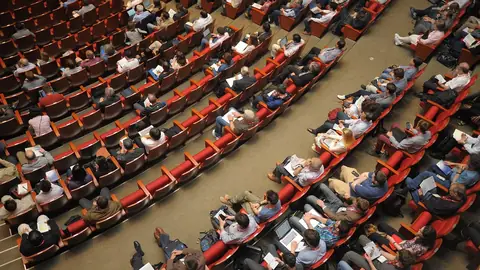
Meet Us at AADE15: Sourcing and Supplier Support
By Sarah Thompson · Published · 4 minutes read
AADE15 brings diabetes educators, device makers and distributors onto one floor, and that makes it a practical place to test whether your sourcing and supplier plan holds up under real questions. McCall Intertrade will be on site to talk through supplier vetting, sample logistics and the paperwork that tends to slow down a launch.
If you are exhibiting, visiting or still deciding whether the show is worth the booth fee, come with your product list and your open supplier issues. We will help you separate the conversations that lead to a signed quote from the ones that only fill a badge scan.
What we are bringing to the floor
Our stand is built around the sourcing questions that come up after a device has been designed but before it ships: which supplier can hold tolerance, who can scale from 500 to 5,000 units, and what the true landed cost looks like once freight, duty and inspection are added. We bring current category benchmarks rather than a catalogue, so the conversation stays on your numbers.
We also carry examples of supplier scorecards and sample-tracking sheets that trade visitors can adapt. Most teams arrive with a shortlist of three to five suppliers and leave with a clearer view of which one can pass a second-source audit. If you want a starting point before the show, our guide to comparing distributor and direct sales models covers the commercial trade-offs.
- Supplier capability snapshots for device components and packaging
- Sample and freight cost benchmarks by region
- Second-source and audit-readiness checklists
- Booth staffing and demo scheduling templates
Supplier vetting that survives the show floor
A trade show is a poor place to run a full supplier audit, but it is a good place to eliminate weak candidates. We ask for three data points at the booth: current capacity utilisation, typical lead time in weeks, and the last two audit findings the supplier closed. Suppliers who cannot answer quickly usually struggle later when volumes rise or specifications tighten.
For medical products, the paperwork matters as much as the part. Expect to discuss ISO 13485 certificates, valid until dates, and whether the supplier manufactures or only trades. A useful rule of thumb is to keep at least two approved suppliers for any component that sits on the critical path, and to budget 6 to 12 weeks for qualifying a new one.
- Ask for certificate scope, not just the certificate
- Confirm lead times in writing, in weeks
- Check whether the supplier owns the process or subcontracts it
- Record the name and role of every technical contact
Show logistics and booth operations
AADE15 is a working show, so visitors expect to handle devices rather than watch slides. That changes booth planning: you need power drops, cleaning supplies, demo units that have been reset, and staff who can answer clinical questions without reading from a script. We help teams map the visitor flow so the demo area does not become a bottleneck.
Staffing is usually underestimated. For a booth of 20 to 30 square metres, plan on three to five people across peak hours, with at least one person free to capture notes. Our article on how many people you need for a medical booth gives a simple planning method. Book demos in 15-minute slots and leave 5 minutes between them for resets.
- Confirm power and internet at least four weeks out
- Pack two spare demo units per device family
- Assign one person to lead capture and follow-up
- Set a daily debrief to sort leads by next action
Regulatory questions visitors actually ask
Most regulatory questions at a diabetes-focused show come down to labelling, claims and documentation. Visitors want to know whether a device can be shown working, what literature can be handed out, and whether a sample can leave the booth. The answers depend on the destination market, so we keep country-specific checklists on hand rather than general statements.
A practical approach is to separate education from promotion. Demonstration units and clinical data usually sit on one side; pricing and order forms sit on the other. If your team is new to this, read navigating regulatory requirements at trade shows before you pack. Allow 2 to 4 weeks to confirm claims with your regulatory lead.
- Check permitted claims per market before printing
- Keep demonstration and sales materials physically separate
- Log every sample that leaves the booth
- Brief staff on what they cannot say
Deciding whether AADE15 fits your product line
Not every device belongs at a diabetes education show. Products that support daily management, patient training or clinic workflow tend to fit; capital equipment with long sales cycles may not justify the cost. A 3-by-3 metre booth, travel and samples commonly land between 8,000 and 20,000 euros depending on distance and build, so the show needs a clear purpose.
We help exhibitors set that purpose before they commit: a target number of qualified conversations, a shortlist of supplier meetings, or a specific distributor segment. If you are still comparing events, our guide to choosing the right medical trade show sets out the criteria we use. Bring your last show's lead-to-quote ratio and we can sanity-check the plan.
- Define one primary goal per show
- Estimate cost per qualified conversation
- Pre-book supplier and distributor meetings
- Decide follow-up ownership before the show opens
| Item | Typical range | Notes | Planning lead time |
|---|---|---|---|
| Booth space, 9 sq m | 2,500–6,000 EUR | Varies by city and hall | 6–12 months |
| Booth build and furniture | 1,500–5,000 EUR | Rental usually cheaper for one show | 8–12 weeks |
| Staff time, 3 days | 3–5 people | Includes setup and teardown | 6–8 weeks |
| Samples and freight | 500–2,000 EUR | Customs paperwork adds time | 4–8 weeks |
| Lead-to-quote conversion | 10–25% | Depends on qualification at booth | Track from day one |
| Qualified conversations per day | 15–40 | For a 9 sq m booth with demos | Set target in advance |
Where to find us and how to prepare
We will be available for short scheduled meetings and open-floor questions throughout the show. Bring a one-page product summary, your current supplier list with lead times, and any open regulatory questions. That is enough for a 20-minute conversation that produces a next step rather than a stack of brochures.
If your team is preparing a device for live demonstration, our checklist on preparing a medical device for a trade show demonstration covers reset routines, spare parts and staff rehearsal. For branding and messaging, see product branding lessons from trade shows. Send a short note ahead of the show if you want a specific time slot.
- One-page product summary
- Supplier list with lead times and locations
- Open regulatory or labelling questions
- Target markets and expected volumes
- Use AADE15 to test supplier readiness, not to collect brochures.
- Confirm certificates, lead times and capacity in writing at the booth.
- Plan three to five staff for a small booth and book demos in 15-minute slots.
- Set one measurable goal per show and decide follow-up ownership before opening.
Sarah specializes in trade show logistics and marketing for medical devices. She has managed booths at major events like Medica and Medtrade. Her articles focus on practical tips for exhibitors.